



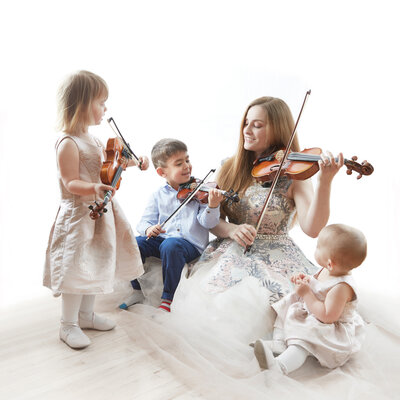
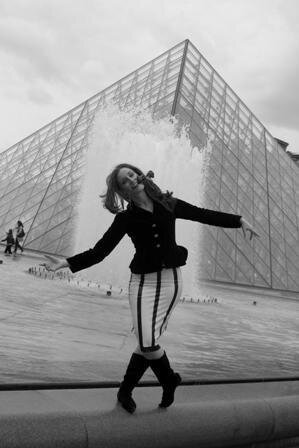
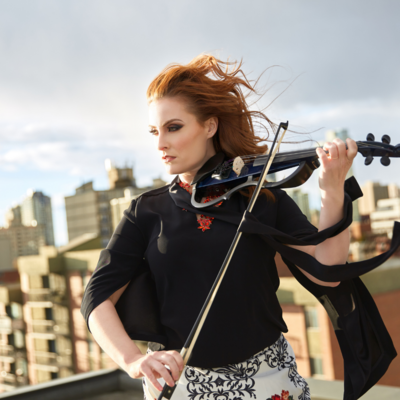
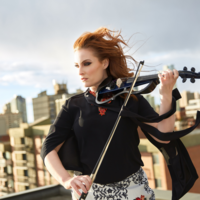
By the time I was twenty, I had a strange kind of overqualification. I’d spent my childhood and teenage years training in speech and drama, dance, music, camera skills, acting, television presenting — violin threaded through all of it. On paper, I could do almost anything in front of an audience.
What I couldn’t do was tell you what I actually wanted to say.
I’d spent so many years being trained, coached, and directed that I’d become excellent at performing other people’s instructions. Waiting for the next role, the next piece, the next person to tell me what to do next. It’s an easy trap for anyone raised on formal training: you master the craft before anyone teaches you the harder skill — knowing who you are underneath it, and what you want the world to receive from you.
It took me longer than I expected to find that answer. Not because I lacked skill or opportunity, but because nobody had ever asked me to sit still with the question: what is my story, and how do I want to tell it?
Eventually I did sit with it. I looked at everything I’d trained in — not as a scattered list of skills, but as raw material for something singular. The stage presence from dance. The clarity from speech training. The comfort on camera. The musicianship. I started asking what happened when I stopped borrowing other people’s frameworks and built my own — a brand that was actually, recognisably me, on stage and off it.
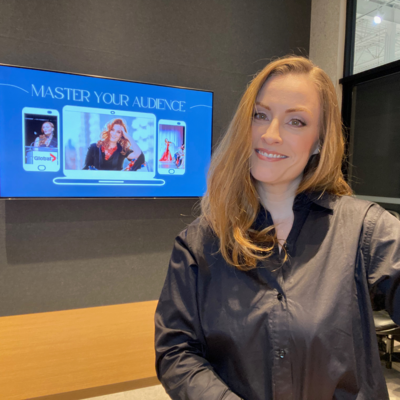
That process — turning years of training into a coherent, authentic identity, and learning how to present it so a team, an audience, or a room full of decision-makers immediately understands who you are and what you offer — is exactly what became Master Your Audience.
I built the course I wish someone had handed me at twenty. It walks you through identifying your personal brand underneath all your accumulated skills, shaping how you present it consistently on stage and in every room that matters, and communicating it clearly enough that the people around you — your team, your collaborators, your audience — can actually help you get where you’re going.
If you’ve ever felt like I did — highly trained, capable of a lot, but unclear on what ties it all together — that gap is exactly where this work starts.
You can find out more about Master Your Audience [here].

Little pieces of history…







The comments +