



Hey guys!
This post is for any new student of mine, and for anyone else thinking about starting the violin. First of all — congratulations on choosing an amazing instrument! Learning to play is a long, rewarding journey. Mine has been full of joy, creativity, tears, hard work, and the thrill of performing on stage. Everyone’s journey looks a little different, and I wish you every bit of luck on yours.
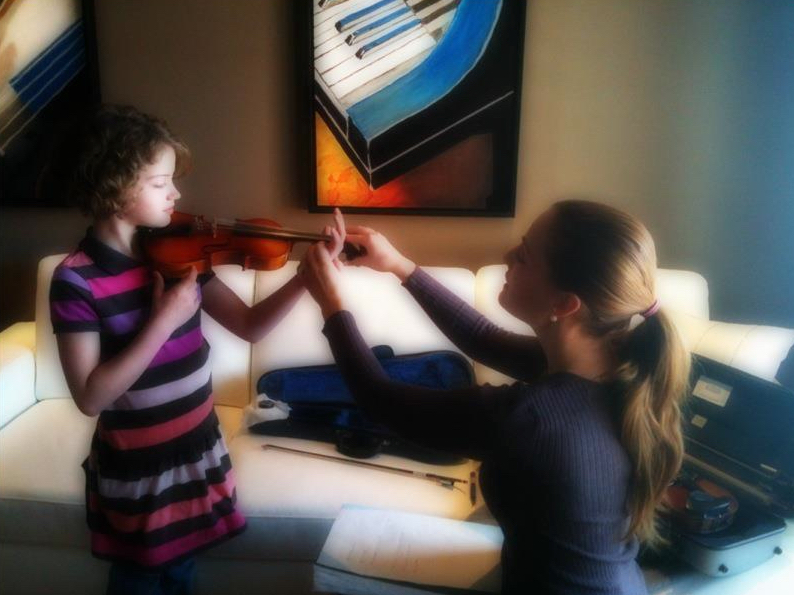
To be clear: I don’t teach absolute beginners online. I believe most beginners need face-to-face lessons so a teacher can make the physical adjustments that get you started properly. I do teach online, but that’s generally reserved for more advanced students. If you’re just starting out, I’d encourage you to find a good teacher who can see you in person — I’m always happy to help and offer advice where I can, but nothing replaces that in-person foundation.
I get asked all the time about what’s actually needed to start violin lessons, so I put this guide together — both for my own beginner students and for anyone else curious about what getting started really involves. Here’s everything you need to know.
1. Equipment
Violin. You don’t need anything expensive to start. Check out a local music store with a good reputation — most will let you buy or rent a reasonable instrument to begin with. Avoid buying a super cheap violin online; it tends to cost you more in the long run and can make the whole experience less enjoyable than it should be. This is a great rundown of the issues with cheap violins — it covers most of what I’d tell you myself.
If you’re based in Calgary and taking lessons with me, I’ve probably already pointed you toward VA Hill Violins or another great luthier in the city. I recommend VA Hill because they take the time to properly size you up and fit you with a good chin rest — and they do it well.
Bow. As a beginner, your violin likely came with a bow, whether rented or purchased. If you’re buying one separately, make sure the hair isn’t yellowed and that there aren’t hairs already missing.
Rosin. Get a good rosin, ideally in a hard case — students tend to drop and shatter the soft plastic ones. I like D’Addario Kaplan Premium Rosin with Case. Take care of it and it’ll last you a long time.
Shoulder rest. This is a personal choice and needs to fit you properly. I believe it’s important to play with a shoulder rest unless you’re a professional baroque player — if you have anything other than a short neck, you’ll have far better control with one. Get fitted by a professional who can walk you through the options, and discuss it with your teacher.
Case. Make sure it’s sturdy enough to protect your violin and has enough room for all your gear — some even come with a pouch for sheet music, which is a nice personal touch. For a deeper dive, I’d recommend The Ultimate Guide to Buying a Violin Case by GreatViolinCases.com — it covers everything you need to know to choose the right one.
2. Extra items
Mute / practice mute. A mute changes the tone and volume of your instrument and is often used in orchestral playing to achieve a certain sound quality. A practice mute lets you play quietly, so you can rehearse at night without waking the house or bothering the neighbours. Neither is expensive.
Metronome. A great practice tool — not for constant use, since you also need to develop your own sense of rhythm, but it’s invaluable for learning to play in time, which matters once you start playing with other instruments. It’s also a great way to check whether you’re actually keeping time.
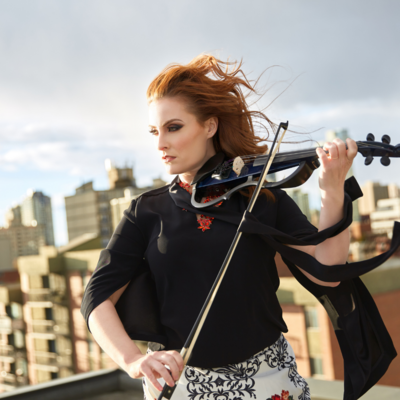
Electric violin. Want to jump straight into electric? I get it — who wouldn’t want to play amplified music inspired by their favourite artists? That’s a great goal, and you’ll absolutely get there, but it takes a bit of groundwork first. In my opinion, you’ll become a better player — electric or acoustic — if you start on acoustic. It teaches you full control over your tone and all the subtleties of sound that acoustic playing demands, in a way electric technique tends to smooth over. Talk to your teacher about when to start incorporating electric violin into your practice.
Care of your violin. Talk to your luthier and your teacher about proper care. If you’re my student and have questions, click here to message me.
3. Books and music
There are plenty of great beginner books out there. I’d recommend these three, and if you’re my student, chances are I’ll be assigning at least two of them:
- Wohlfahrt: Easiest Elementary Method for Beginners, Op. 38
- The ABCs of Violin for the Absolute Beginner
- A Tune a Day for Violin
You’ll also need a notebook with lined pages and manuscript (staff) paper. From there, we move on to other books and repertoire depending on your learning style and preferences — the list above is just a strong starting point. Your own teacher will have their preferences too, so be sure to ask.
4. Setting goals
What made you choose the violin? Are you dreaming of concert stages around the world? Playing in a metal band? Performing alongside a DJ? Whatever your goals are, talk them through with your teacher — how you’ll get there, and how much practice and work it will take. Hold onto that reason, because on the days practice gets hard, it’s easy to lose sight of why you started. Keep your eye on it.
And don’t expect to sound amazing right away. The violin takes longer to sound good than many instruments — without frets, tone is something you build entirely through skill with the bow, and that takes time.
One more thing: talk to other people learning violin. Try joining a violin community. It’s genuinely helpful to swap experiences with other students and violinists, discover inspiring or educational videos, watch great performances, and trade ideas along the way.
I hope this helps! If you have any questions, feel free to reach out any time.
You can also check out my guide for beginner students here:

Sophie xx






The comments +